
Real diagnosis: aphids on a rose, and how to deal with them
Here’s a real CropDoctor diagnosis from the garden: a flowering rose that looked healthy from a distance, but a close-up told a different story. This is exactly the kind of thing that’s easy to miss until the buds start to distort.
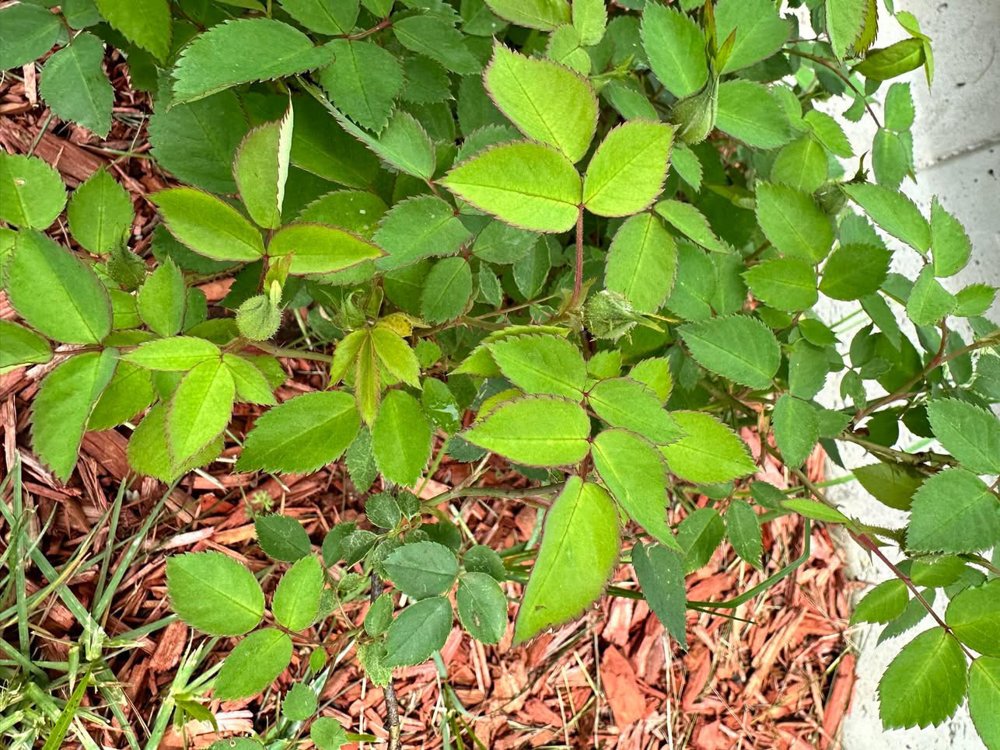
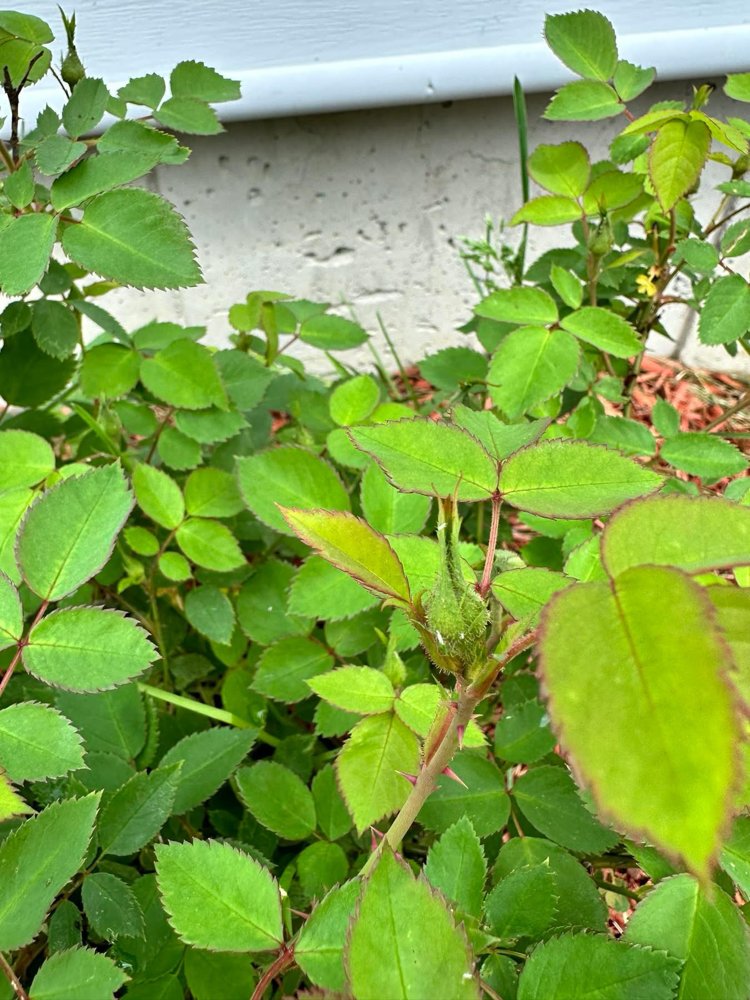
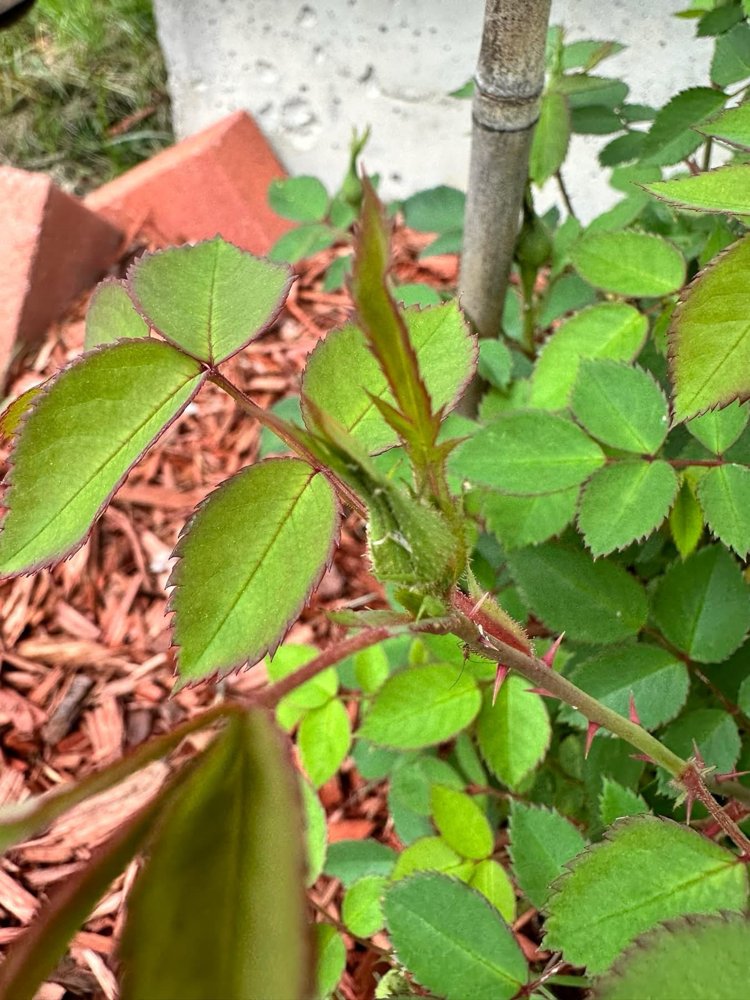
The diagnosis below is the app’s actual output — note how the close-up photos let it spot the aphids on the buds that weren’t obvious in the wide shot.
Plant Diagnosis Report
Plant Identification: Rosa sp. (Rose, specifically ‘Paneer Rose’) - Rosaceae family
Symptom Summary: The images provided show a rose plant with multiple flower buds. The close-up images (Image 2 and Image 3) clearly reveal clusters of small, pear-shaped insects, identified as aphids, concentrated on the tender new growth and flower buds. The leaves generally appear green, though some newer leaves show a slight reddish tinge along the margins, which can be normal for new rose growth. The primary concern is the aphid infestation on the buds, which can lead to distorted growth, reduced flower quality, and honeydew production, potentially attracting sooty mold.
Differential Diagnosis:
- Aphid Infestation (Primary Diagnosis): The visual evidence strongly supports a direct infestation by aphids. These are common pests of roses, particularly on new, succulent growth.
- Nutrient Deficiency/Toxicity: While not the primary issue, overall plant vigor can influence pest susceptibility. The general greenness suggests major deficiencies are not currently acute, but optimal nutrition supports plant defense.
- Environmental Stress: Factors like improper watering or extreme temperatures can weaken plants, making them more vulnerable to pests. Current conditions in Florida (late spring/early summer) are generally favorable for plant growth but also for aphid activity.
Location: Florida, USA, 🇺🇸 United States
Recommended Treatment: Given your intention to use the rose petals for edible gulkand and your preference to avoid sprays, here are several home remedies focused on physical and biological control:
-
Manual Removal / Water Jet:
- Action: Use a moderately strong jet of water from a hose to dislodge the aphids from the buds and leaves. Do this in the morning to allow plants to dry quickly.
- Alternatively: Gently wipe aphids off with a damp cloth or cotton swab, or crush them by hand (wear gloves if you prefer). This is most effective for small infestations or for targeted removal on specific buds.
-
Soapy Water Solution (Use with Caution for Edibles):
- Action: If you are open to a very mild spray that can be washed off, mix 1-2 teaspoons of a mild, pure liquid soap (like Castile soap, ensure no degreasers or detergents) per gallon of water.
- Application: Spray directly onto the aphids. The soap disrupts their cell membranes.
- Important for Edibles: Thoroughly rinse the rose petals with clean water before using them for gulkand if you use this method, even with mild soap. Test on a small area first to ensure no phytotoxicity to the plant. Given your “no spray” preference, this might be a last resort, but it’s a common home remedy.
-
Attract Beneficial Insects:
- Action: Encourage natural predators of aphids, such as ladybugs, lacewings, and hoverflies. You can do this by planting nectar-rich flowers nearby (e.g., dill, fennel, alyssum, marigolds) that attract these beneficials.
- Purchase (Optional): Ladybugs can sometimes be purchased from garden suppliers, but creating a hospitable environment is more sustainable.
-
Companion Planting:
- Action: Certain plants are thought to repel aphids. Consider planting chives, garlic, onions, or marigolds near your roses. While not a guaranteed solution, it can be part of an integrated pest management approach.
-
Sticky Traps (for monitoring/minor control of winged aphids):
- Action: Place yellow sticky traps near the rose bushes. While these won’t control existing wingless aphids on the plant directly, they can help trap winged aphids migrating to your plants, reducing new infestations. Be aware they can also trap beneficial insects.
-
Pruning:
- Action: If some stems or buds are overwhelmingly infested and other methods are insufficient, consider carefully pruning out the most heavily affected parts. Dispose of the pruned material away from the garden to prevent re-infestation.
Preventative Measures for Future:
- Regularly inspect your rose plants for early signs of aphids, especially on new growth.
- Maintain good air circulation around the plant.
- Avoid over-fertilizing with high-nitrogen fertilizers, as this can promote lush, tender growth that aphids find attractive. A Balanced Fertilizer applied according to plant needs is better.
- Consider using organic soil amendments like Cow Manure to improve overall soil and plant health.
Since you are avoiding sprays, persistent manual removal and encouraging beneficial insects will be your primary strategies. For edible uses, always ensure any treatment used is safe and that plant parts are thoroughly washed if any substance (even mild soap) has been applied. If you were to consider a commercially prepared organic option in the future, Neem Oil is often used, but it is a spray and would require adherence to pre-harvest intervals and thorough washing.
Disclaimer: This diagnosis is based on the provided images and information. Aphid control, especially without chemical sprays, requires persistence. If the infestation becomes unmanageable or spreads significantly, further consultation with a local extension office or certified arborist may be beneficial. Always prioritize methods that are safe for edible plants.
This is a real, unedited CropDoctor AI diagnosis (affiliate links and the owner’s exact location removed). It’s shared as an example — always confirm with local expertise before treating.
Try it on your own plant
Snap a photo with VVF CropDoctor and get a diagnosis like this in seconds — spoken and written in your language, weather-aware, and reviewable by a real agronomist.