
Real diagnosis: reading a mango tree from three photos
Mango is one of the most-photographed crops in CropDoctor, especially around flowering and fruit set when problems like anthracnose show up. Here’s a real diagnosis of a fruiting mango tree from three quick photos.
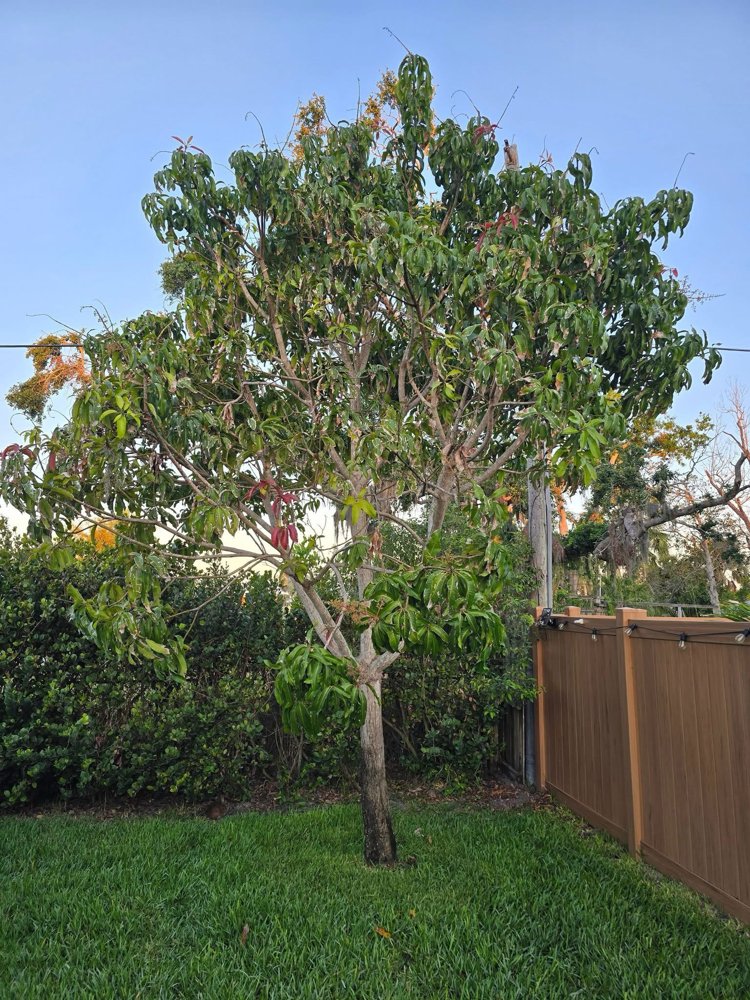
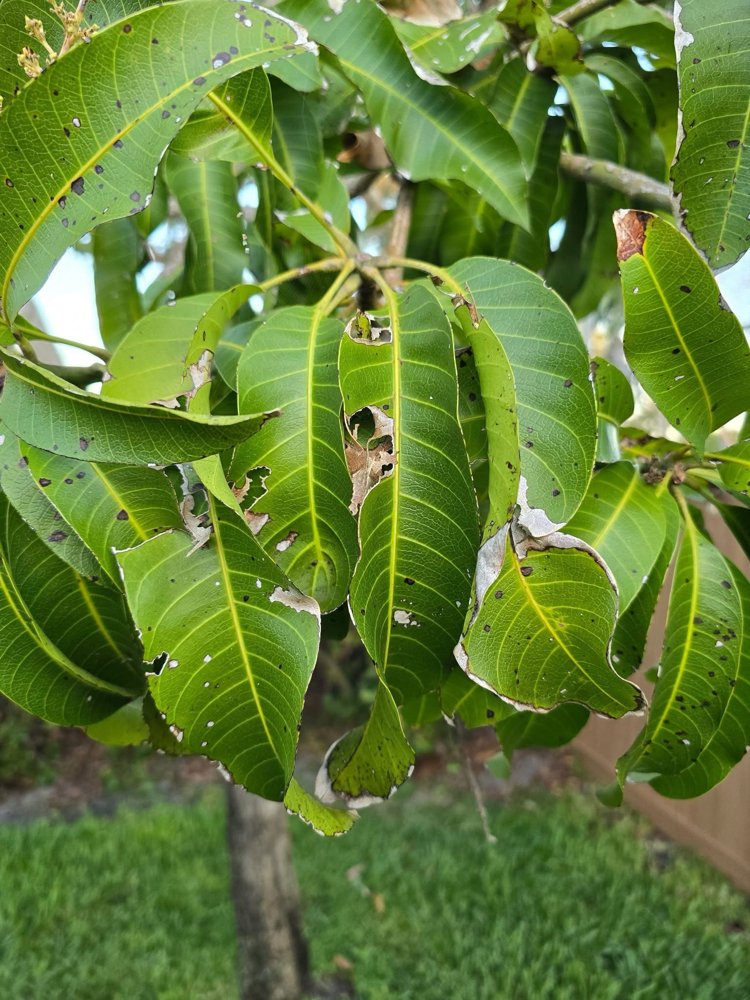
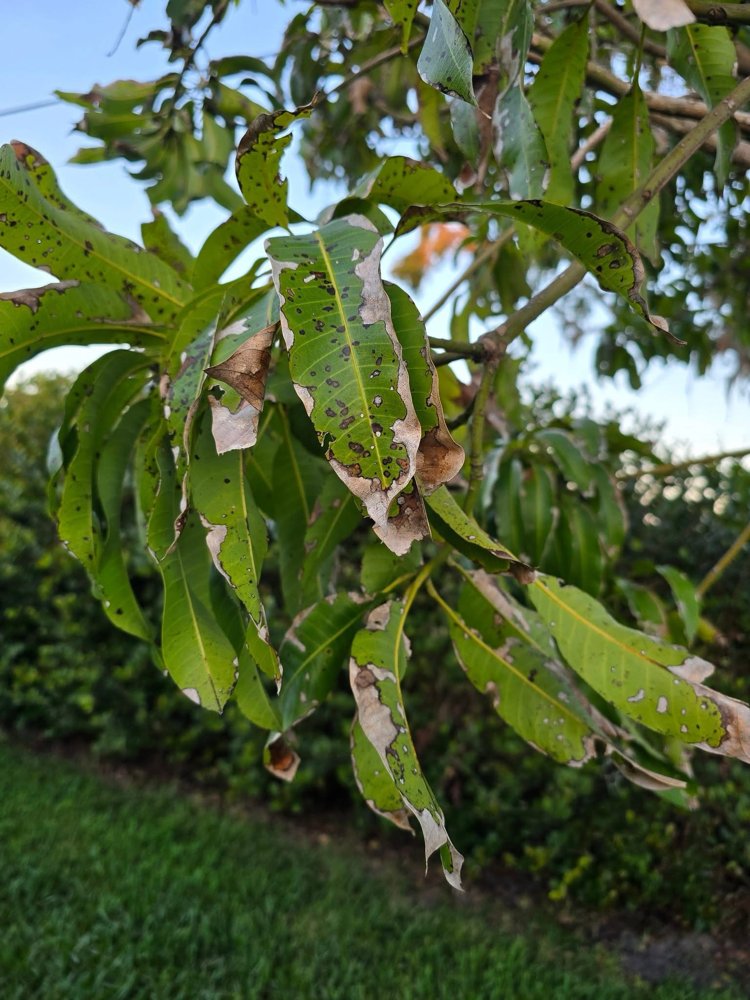
Plant Diagnosis Report
Plant Identification: Mango Tree (Mangifera indica) - Anacardiaceae Family
Symptom Summary: The 8-year-old mango tree exhibits a relatively sparse canopy. Leaves show significant symptoms including numerous dark brown to black spots, some coalescing into larger necrotic (dead tissue) patches, particularly along the margins and tips. Some leaves have irregular holes and appear slightly distorted. The tree has failed to produce fruit for the last two years, despite fruiting previously. These observations were made in late April in Sarasota, Florida.
Differential Diagnosis:
- Anthracnose (Colletotrichum gloeosporioides): Highly Likely. This fungal disease is extremely common on mangoes in Florida’s warm, humid climate. It causes dark leaf spots, blossom blight (preventing fruit set), twig dieback, and fruit rot. The observed leaf spots, necrosis, and especially the lack of fruiting strongly suggest anthracnose infection, particularly affecting the blossoms.
- Nutrient Deficiency: Possible contributor to overall stress and reduced fruiting. Florida soils can be deficient in essential nutrients. Lack of key nutrients like Potassium (K), Nitrogen (N), Magnesium (Mg), Manganese (Mn), and Zinc (Zn) can reduce vigor, flowering, and fruit set, and increase susceptibility to diseases. The symptoms don’t perfectly align with a single deficiency but could be a compounding factor.
- Environmental Stress: Water stress (either too much or too little, especially with lawn competition), or potentially past cold damage could weaken the tree.
- Pest Damage: While some holes are visible, pests do not appear to be the primary cause of the widespread spotting, necrosis, and fruiting failure.
Location: Sarasota, Florida, USA
Recommended Treatment:
-
Pruning:
- Prune out dead or diseased branches and twigs immediately. Make cuts into healthy wood, at least 6 inches below any visible sign of disease.
- Thin the canopy slightly to improve air circulation, which helps reduce fungal disease pressure. Avoid heavy pruning during the main flowering/fruiting season.
- Dispose of pruned material away from the tree; do not compost it. Sanitize pruning tools between cuts (e.g., with 10% bleach solution or rubbing alcohol) to prevent spreading disease.
-
Fungicide Application:
- Apply a copper-based fungicide or a broad-spectrum fungicide labeled for anthracnose on mangoes. Follow label instructions carefully regarding application rates and timing.
- Applications are most critical from pre-bloom through fruit development, especially during wet or humid weather. Regular applications (e.g., every 7-21 days, depending on the product and weather) may be necessary during critical periods.
- Consider using a product like: Southern Ag Fungicide. Always check the product label for suitability on mangoes and specific instructions.
-
Fertilization:
- Implement a balanced fertilization program specifically designed for mangoes in Florida.
- Apply a balanced fertilizer, such as an 8-3-9 or similar formulation specifically for fruit trees in Florida, 3-4 times per year (e.g., spring, summer, fall).
- Consider using a product like: Balanced Fertilizer.
- Supplement with micronutrients (Magnesium, Manganese, Zinc) via foliar sprays or granular application if soil tests indicate deficiency or if symptoms persist after applying balanced fertilizer.
- Organic matter like compost or Cow Manure can improve soil structure and nutrient availability.
-
Water Management:
- Ensure proper watering. Mango trees need consistent water, especially during flowering and fruit development, but dislike constantly saturated soil (“wet feet”).
- Water deeply and less frequently, allowing the top few inches of soil to dry out between waterings.
- Maintain a mulch layer (3-4 inches deep) around the base of the tree (but not touching the trunk) to conserve moisture, regulate soil temperature, and suppress weeds. Avoid grass growing directly under the tree canopy, as it competes for water and nutrients.
-
Lawn Care Consideration: Be cautious with lawn fertilizers and herbicides near the tree’s root zone (which extends beyond the canopy drip line). Avoid spraying herbicides on windy days.
Disclaimer: Based on the images and information provided, Anthracnose appears to be the primary issue causing the observed symptoms and lack of fruiting. Implementing a consistent fungicide spray program, proper pruning, and balanced nutrition is crucial for recovery. For a definitive diagnosis and tailored management plan, especially regarding fertilization based on local soil conditions, consulting a certified arborist or your local UF/IFAS Extension office in Sarasota County is recommended. They can provide site-specific advice and potentially perform soil/tissue testing.
If you’re seeing blackened panicles or sunken fruit spots instead, read our full guide to mango anthracnose.
This is a real, unedited CropDoctor AI diagnosis (affiliate links and the owner’s exact location removed). It’s shared as an example — always confirm with local expertise before treating.
Try it on your own plant
Snap a photo with VVF CropDoctor and get a diagnosis like this in seconds — spoken and written in your language, weather-aware, and reviewable by a real agronomist.